What is Formwork Plywood and Why is it Essential in Construction?
Formwork plywood is a specialised engineered wood product designed specifically to create temporary moulds for poured concrete structures. This construction material consists of multiple layers of hardwood or softwood veneers bonded together under extreme pressure and heat, creating a robust panel capable of withstanding the weight and pressure of wet concrete.
The primary function of formwork plywood centres on its ability to contain and shape liquid concrete during the curing process. When concrete is poured into these moulds, the plywood must maintain its structural integrity for several days whilst the concrete transitions from a fluid state to a solid, load-bearing structure. Without reliable formwork, concrete would spread uncontrollably, making it impossible to create walls, columns, beams, and other vertical or complex structural elements.
The role of formwork plywood extends beyond simple containment:
- Structural precision: Creates exact dimensions and smooth finishes for concrete elements
- Load distribution: Supports tonnes of wet concrete without deflecting or collapsing
- Surface quality: Determines the final appearance and texture of exposed concrete surfaces
- Reusability: Quality formwork can be stripped and reused multiple times across different projects
Construction speed improves dramatically with proper formwork systems. Projects using high-quality formwork plywood can maintain tight schedules because builders trust the material to perform consistently. The moulds can be assembled quickly, filled with confidence, and stripped on schedule without delays caused by material failure or surface defects requiring remediation.
Safety considerations make formwork plywood selection critical on Australian construction sites. Substandard formwork poses serious risks—catastrophic failures can occur when inadequate materials buckle under concrete loads, potentially injuring workers and causing significant project damage. Quality formwork plywood engineered to Australian standards provides the load-bearing capacity and dimensional stability that keeps construction teams safe whilst working with one of the heaviest building materials.
The material’s impact on project economics cannot be understated. Formwork typically represents 35-60% of the total cost of concrete frame construction, making informed purchasing decisions essential for project profitability.
What Are the Key Features of High-Quality Formwork Plywood?
High-quality formwork plywood distinguishes itself through three critical characteristics: waterproof construction, exceptional load-bearing capacity, and a smooth surface finish. These features directly determine the material’s performance on construction sites and its ability to deliver professional concrete finishes.
Waterproof Properties Preventing Warping and Damage
Waterproof formwork plywood resists moisture penetration through specialised bonding agents and surface treatments. The phenolic resin overlay creates an impermeable barrier that prevents water absorption during concrete pouring and curing. This protection maintains dimensional stability even when exposed to wet concrete for extended periods.
The waterproofing extends beyond surface protection. Quality formwork plywood uses water-resistant adhesives between veneer layers, preventing delamination when moisture attempts to penetrate the core. This construction method ensures the material maintains its structural integrity through multiple concrete pours.
Moisture resistance directly impacts project economics. Plywood that warps or swells creates uneven concrete surfaces requiring costly remediation. Premium waterproof formply eliminates these issues, maintaining flat, true surfaces that produce consistently smooth concrete finishes.
High Load-Bearing Capacity Supporting Heavy Weights
Load-bearing capacity plywood must withstand substantial pressure from wet concrete without deflecting or failing. Quality formwork plywood achieves this through careful veneer selection and precise manufacturing processes. The cross-grain construction distributes loads evenly across the panel, preventing weak points that could compromise structural integrity.
Australian F17 formwork plywood demonstrates superior strength characteristics. The F17 designation indicates a minimum bending strength suitable for structural applications, capable of supporting concrete loads in vertical walls, horizontal slabs, and complex architectural forms. This rating ensures the material performs reliably under demanding construction conditions.
Thickness plays a vital role in load capacity. Standard 17mm formwork plywood provides adequate strength for most applications, whilst thicker variants handle heavier loads or longer spans between supports. The relationship between thickness and strength allows builders to match material specifications to specific project requirements.
Smooth Surface Finish for Easy Concrete Removal
Smooth surface formply incorporates a phenolic film overlay that creates an ultra-smooth working surface. This overlay prevents concrete adhesion, allowing forms to be easily stripped without damaging the finished surface. The result is efficient workflow on-site and high-quality concrete finishes that meet design specifications.
The combination of waterproof properties, high load-bearing capacity, and smooth surface finish makes premium formwork plywood an essential component in achieving successful concrete construction projects. By understanding these key features, builders can make informed decisions when selecting materials for their specific needs.
Which Factors Should Buyers Consider When Choosing Formwork Plywood?
Does the veneer composition affect performance? Yes—the choice between hardwood and softwood veneers significantly impacts the durability of formply and its suitability for different applications. Hardwood veneers, typically sourced from eucalyptus or similar species in Australia, offer superior density and strength, making them ideal for high-stress applications where multiple reuses are expected. These panels resist surface damage better and maintain their structural integrity through repeated concrete pours.
Softwood veneers present a more economical option for projects with fewer reuse requirements. Pine-based formwork plywood weighs less, simplifying manual handling on site, though it may show wear more quickly under demanding conditions. The veneer quality within each category matters equally—look for consistent thickness across layers, minimal knots, and tight grain patterns that indicate proper manufacturing standards.
How do plywood size and thickness influence project outcomes? Standard Australian formwork sheets measuring 1800mm x 1200mm balance coverage area with manageable weight for two-person handling teams. Thickness directly correlates with load-bearing capacity and the number of potential reuses when choosing formwork plywood.
Common thickness options include:
- 12mm panels: Suitable for lightweight applications, wall forms, and projects requiring frequent cutting and shaping
- 17mm panels: Industry standard for most structural concrete work, offering optimal strength-to-weight ratio
- 21mm panels: Heavy-duty applications including bridge decks, large slabs, and high-load scenarios
Thicker panels reduce deflection under concrete pressure, producing flatter finished surfaces with fewer imperfections. They also withstand the rigours of stripping and cleaning better, extending service life. Consider transport logistics—thicker sheets add substantial weight to deliveries, potentially increasing freight costs for remote Australian construction sites.
What role does weather resistance play in selection? Australian construction environments expose formwork to intense UV radiation, temperature fluctuations between -5°C and 45°C, and varying humidity levels. Weather resistance determines whether panels maintain dimensional stability and bonding integrity throughout these conditions.
Phenolic resin overlays provide the gold standard for moisture protection. This treatment creates a water-impermeable barrier that prevents liquid penetration into.
How Does Formwork Plywood Contribute to Sustainability and Safety in Australian Construction?
Does formwork plywood support environmentally responsible building practices?
Yes, quality formwork plywood manufactured from responsibly sourced timber directly supports sustainable construction materials Australia initiatives. Australian suppliers increasingly prioritise timber certified by the Forest Stewardship Council (FSC) or Programme for the Endorsement of Forest Certification (PEFC), ensuring the wood comes from forests managed with environmental and social responsibility.
The environmental impact plywood has on construction projects extends beyond sourcing. Formwork plywood’s reusability significantly reduces waste generation compared to single-use alternatives. A well-maintained formwork sheet can be reused 20-50 times depending on the concrete mix and handling practices, dramatically lowering the volume of materials sent to landfills. This reuse cycle translates to fewer trees harvested and reduced manufacturing emissions per construction project.
Australian manufacturers have also adopted water-based adhesives and phenolic resins with lower volatile organic compound (VOC) emissions. These formulations minimise air pollution during production and on construction sites, contributing to healthier working environments whilst maintaining the structural integrity required for concrete formwork applications.
How does formwork plywood enhance construction site safety?
The safety benefits formply delivers stem from its engineered consistency and predictable load-bearing performance. Unlike improvised formwork materials, certified formwork plywood undergoes rigorous testing to verify its capacity to support specific concrete loads without deflection or catastrophic failure.
Structural failures during concrete pouring pose severe risks to workers and project timelines. Quality formwork plywood with verified load ratings eliminates guesswork, allowing engineers to calculate precise support requirements. The material’s dimensional stability prevents unexpected warping or buckling that could compromise formwork integrity during critical pouring operations.
The smooth phenolic overlay on premium formwork plywood serves a dual safety purpose:
- Reduces the physical effort required to strip forms after concrete cures
- Minimises the need for aggressive removal techniques that could damage structures or injure workers
- Creates consistent concrete surfaces that require less remedial work at height
Can formwork plywood improve project efficiency and worker wellbeing?
The standardised dimensions and lightweight nature of formwork plywood sheets enable faster assembly and dismantling compared to heavier alternatives. A
What Are the Popular Types and Standards of Formwork Plywood Available in Australia?
F17 Formply Australia represents the most widely specified formwork plywood in Australian construction. This engineered product combines multiple layers of hardwood veneers bonded with high-pressure phenolic resin, creating a robust material capable of withstanding the demanding conditions of concrete pouring and curing.
The construction of F17 Formply involves alternating grain directions in each veneer layer, which provides exceptional dimensional stability and prevents warping under load. The phenolic resin overlay plywood coating creates a smooth, non-porous surface that prevents concrete adhesion whilst maintaining structural integrity through repeated use cycles.
Standard Dimensions and Specifications
Australian formwork plywood typically arrives in standardised sheet sizes:
- Length: 1800mm
- Width: 1200mm
- Thickness: 17mm (most common specification)
These dimensions align with Australian building practices and modular construction requirements, allowing builders to minimise cutting waste and streamline installation processes. The 17mm thickness strikes an optimal balance between weight management for manual handling and structural capacity for concrete loads.
Thicker variants (19mm and 21mm) exist for applications requiring enhanced load-bearing capacity or extended reuse potential. Builders working on high-rise developments or projects with particularly heavy concrete pours often specify these heavier-duty options.
Compliance with AS 6669 – 2007 Standard
The AS 6669 – 2007 standard establishes the benchmark for structural plywood quality in Australia, covering manufacturing processes, material specifications, and performance requirements. Formwork plywood meeting this standard undergoes rigorous testing for:
- Bond strength between veneer layers
- Moisture resistance and dimensional stability
- Load-bearing capacity under various conditions
- Surface quality and finish consistency
Certification under this standard provides buyers with assurance that the product will perform reliably in concrete forming applications. Reputable manufacturers display compliance markings directly on sheet edges, allowing quick verification on construction sites.
Alternative Formwork Plywood Options
Whilst F17 Formply dominates the Australian market, several alternative products serve specific applications:
Film-faced plywood features a synthetic film coating rather than phenolic resin overlay, offering cost-effective solutions for projects with less demanding requirements.
Marine-grade plywood is designed for exposure to moisture conditions but may not possess the same level of structural performance as F17 Formply. It finds use in temporary formwork or situations where budget constraints dictate material choices.
These alternatives can be suitable substitutes depending on project specifications and budget considerations; however, it’s essential to evaluate their properties against those of F17 Formply before making decisions regarding formwork systems.
Where Should Buyers Source Quality Formwork Plywood in Australia?
Sourcing formwork plywood from reputable formply suppliers Australia offers direct access to materials specifically engineered for concrete construction demands. Specialized suppliers maintain inventory designed for professional builders, ensuring products meet the rigorous requirements of structural applications rather than general-purpose plywood alternatives.
Why Supplier Reputation Matters for Construction Materials
Construction-focused suppliers understand the technical specifications required for formwork applications. These businesses stock products from manufacturers who consistently produce materials meeting Australian building codes. A supplier’s track record in the construction industry indicates their commitment to quality control and their ability to provide technical support when questions arise about product suitability for specific projects.
Established suppliers typically maintain relationships with multiple manufacturers, offering buyers choice between different brands and price points. This variety allows project managers to compare specifications side-by-side and select materials that balance performance requirements with budget constraints.
Verifying Product Certification Before Purchase
Certified construction materials carry documentation proving compliance with relevant Australian standards. Buyers should request certification documents showing AS 6669 – 2007 compliance before committing to large orders. This standard specifically addresses formwork plywood performance characteristics, including structural capacity and moisture resistance.
Quality assurance extends beyond initial certification. Reputable suppliers provide:
- Batch numbers for traceability
- Test reports from independent laboratories
- Manufacturing date information
- Storage condition documentation
These details become critical if issues emerge during construction. Certified products also simplify compliance reporting for projects requiring building approval documentation. Insurance considerations may require proof that materials meet specified standards, making certification verification a risk management necessity rather than optional due diligence.
Strategic Approaches to Price Negotiation
Market research reveals significant price variations between suppliers for comparable formwork plywood specifications. Buyers who contact multiple suppliers and compare quotes often discover price differences of 15-25% for identical products. This variation reflects different supplier overheads, volume purchasing arrangements with manufacturers, and regional market conditions.
Bulk purchasing formply generates substantial cost savings through several mechanisms. Suppliers reduce per-unit pricing when orders exceed minimum thresholds, typically starting at 50 sheets and offering deeper discounts at 100+ sheet volumes. Transportation costs decrease proportionally with larger orders, as delivery fees spread across more units.
Timing purchases strategically can also impact pricing negotiations. Suppliers may offer promotional discounts during off-peak seasons or when introducing new product lines. By aligning purchase decisions with these opportunities, buyers can leverage additional savings while securing high-quality formwork plywood for their projects.
How Should Buyers Handle and Maintain Formwork Plywood for Longevity?
Proper handling and maintenance directly determine whether your formwork plywood investment delivers multiple uses or becomes a single-use expense. Australian construction sites that implement systematic care protocols routinely achieve 15-20 reuses from quality formply sheets, whilst poorly maintained sheets may fail after just 3-4 cycles.
What storage methods prevent warping and damage?
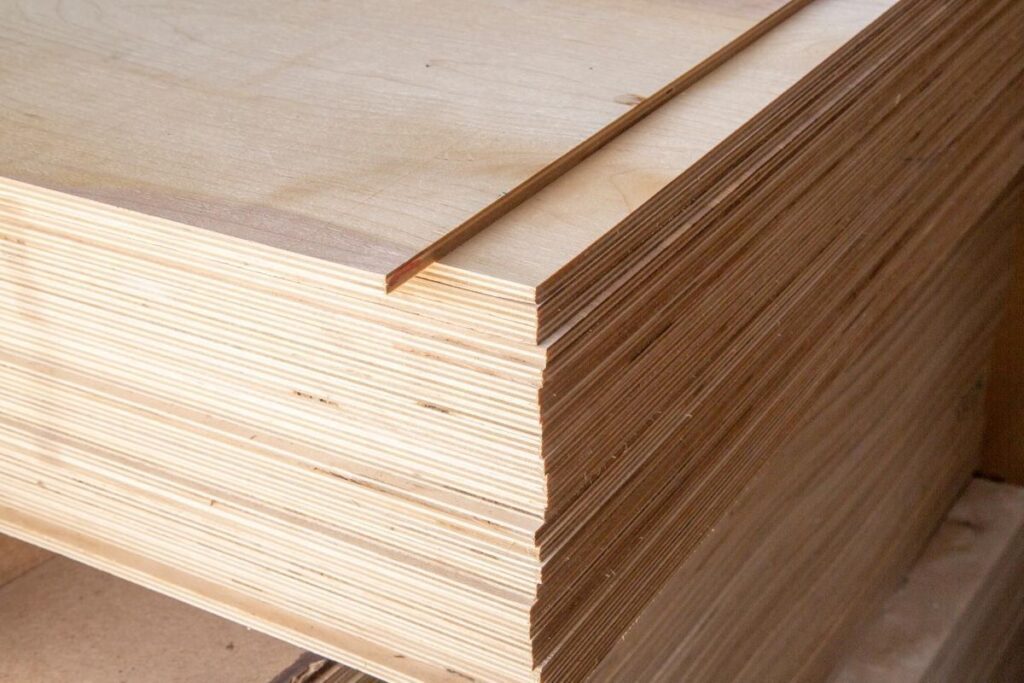
Storing formply sheets flat on level bearers in dry, well-ventilated areas away from ground contact prevents moisture absorption and warping. Stack sheets horizontally with timber spacers every 600mm to allow air circulation between layers, keeping stack heights below 2 metres to avoid compression damage to bottom sheets.
Outdoor storage requires waterproof tarpaulin coverage with adequate ventilation underneath to prevent condensation build-up. Position stored sheets away from direct ground contact using treated timber bearers at least 150mm high, ensuring the storage area has proper drainage to avoid water pooling during rain.
Temperature fluctuations pose risks even in covered storage. Sites in tropical Queensland or humid coastal regions should prioritise fully enclosed storage facilities where possible, as consistent temperature control significantly extends sheet lifespan compared to exposed storage conditions.
How does post-use cleaning preserve formwork quality?
Removing concrete residues immediately after stripping forms prevents permanent bonding that degrades the phenolic surface overlay. Use plastic scrapers rather than metal tools to avoid gouging the protective resin layer, working systematically across each sheet whilst the concrete remains semi-soft.
Pressure washing with water temperatures below 60°C effectively removes stubborn residue without damaging the phenolic coating. Hold the nozzle at 30-45 degree angles approximately 300mm from the surface, avoiding direct perpendicular blasts that can penetrate surface layers.
Essential cleaning practices include:
- Scraping excess concrete within 2 hours of form removal
- Washing sheets before the concrete fully cures
- Drying sheets completely before restacking
- Avoiding harsh chemical cleaners that degrade adhesive bonds
- Inspecting edges for concrete build-up that affects joint quality
When should protective treatments be applied?
Applying release agents before each concrete pour creates a barrier preventing concrete adhesion whilst protecting the phenolic surface.
FAQs (Frequently Asked Questions)
What is formwork plywood and why is it essential in concrete construction?
Formwork plywood is a specialized type of plywood designed for creating molds to hold wet concrete until it hardens. It plays a crucial role in concrete construction by ensuring the shape and stability of structures during curing, thereby impacting construction speed and safety significantly.
What are the key features to look for in high-quality formwork plywood?
High-quality formwork plywood should have waterproof properties to prevent warping and damage, a high load-bearing capacity to support heavy weights during construction, and a smooth surface finish that allows for easy concrete removal with minimal imperfections.
Which factors should buyers consider when choosing formwork plywood in Australia?
Buyers should consider the material composition, such as hardwood versus softwood veneers, as well as the size and thickness which affect handling and load capacity. Additionally, weather resistance including moisture and chemical treatments is vital for durability in Australian conditions.
How does formwork plywood contribute to sustainability and safety in Australian construction projects?
Formwork plywood sourced from responsibly managed timber supports environmental sustainability. Its robust quality reduces risks of structural failures, enhancing safety on site. Moreover, efficient use of formply contributes to streamlined large-scale project execution.
What are the popular types and standards of formwork plywood available in Australia?
Popular types include F17 Formply featuring hardwood veneers with phenolic resin overlay. Typical sheet dimensions are 1800mm by 1200mm with a thickness of 17mm. These products comply with Australian standards such as AS 6669 – 2007 ensuring quality and performance.
Where should buyers source quality formwork plywood in Australia?
Buyers should procure formwork plywood from reputable suppliers specialising in certified construction materials. Verifying product certification guarantees quality assurance. Additionally, conducting market research and considering bulk purchasing can provide cost advantages.
See more about: The Future of Construction: Innovations in lvl timber formwork